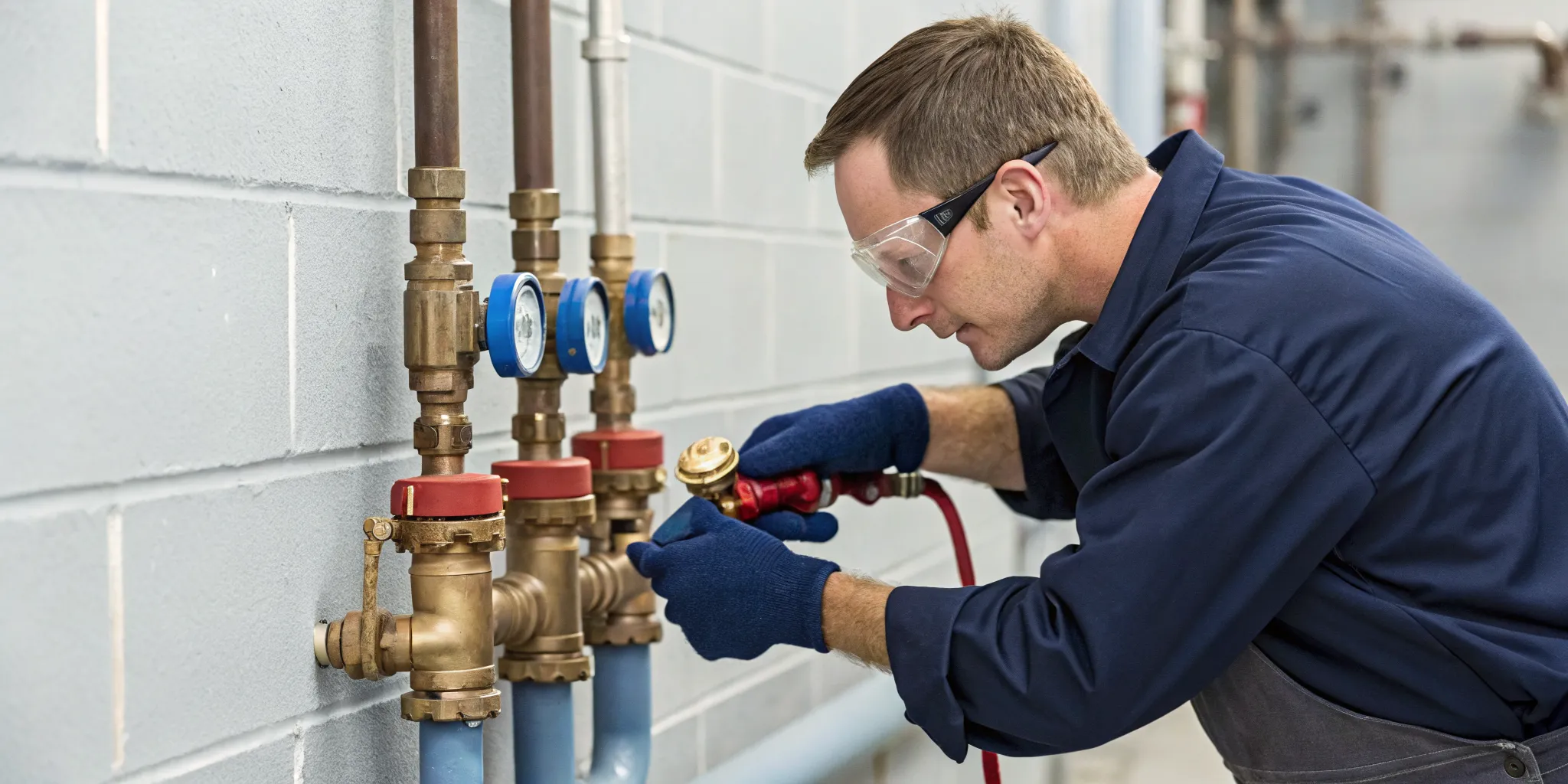
We all expect clean, safe water every time we turn on the tap. But behind the scenes, a critical safety system is working to protect that shared resource from contamination. A sudden change in water pressure can cause a dangerous reversal, pulling non-potable water from irrigation or industrial systems back into the public supply. To prevent this, properties are fitted with backflow prevention devices. However, these devices aren’t foolproof and need regular check-ups. This is where backflow certification testing comes in. It’s a mandatory annual inspection that verifies your system’s one-way gate is working perfectly, safeguarding the health of your family and neighbors.
Key Takeaways
- Backflow testing protects our shared water supply: This is a required annual inspection that stops contaminated water on your property from entering the public system, ensuring everyone’s drinking water stays safe.
- You must hire a certified professional: This is not a DIY project or a job for a general plumber; only a state-certified tester can legally perform the inspection and submit the required paperwork to your water authority.
- Staying compliant avoids serious consequences: As a property owner, you are responsible for scheduling your annual test on time to prevent rejected reports, costly fines, and a potential interruption of your water service.
What is Backflow Certification Testing?
If you’ve received a notice from your local water authority about backflow testing, you might be wondering what it’s all about. Backflow certification testing is a specialized inspection that ensures your property’s plumbing isn’t accidentally contaminating the public water supply. Think of it as a crucial safety check for your water lines. A certified professional performs a series of tests on your backflow prevention device to confirm it’s working exactly as it should. This isn’t just a recommendation; it’s a mandatory requirement in Santa Clara County and beyond to protect the health of our entire community. Regular testing keeps our drinking water safe, ensures you stay compliant with local regulations, and gives you peace of mind knowing your system is secure.
What is Backflow and Why is it a Risk?
Backflow is what happens when water in your pipes flows in the wrong direction. Instead of flowing from the city’s main line to your property, a sudden change in pressure can cause water from your property to be pulled backward into the clean public supply. This reversal can introduce dangerous contaminants like fertilizers, pesticides from your irrigation system, or other hazardous materials into the drinking water. To prevent this, a backflow prevention device is installed on your water line. This device acts as a one-way gate, allowing water to flow into your property but stopping it from ever flowing out, protecting you and your neighbors from potential contamination.
The Role of a Certified Tester
Backflow testing isn’t a job for just any plumber; it requires a certified professional who has undergone specific training and passed rigorous exams. These specialists are the only ones authorized to inspect and certify backflow prevention devices. A certified tester uses calibrated equipment to check that the internal seals, springs, and valves of your device are working perfectly. If the assembly fails the test, they can pinpoint the issue and explain what repairs are needed to bring it up to code. Once the device passes, the tester handles all the official paperwork and submits it to your local water authority, ensuring your property remains in full compliance.
Why is Backflow Testing So Important?
Regular backflow testing is more than just a routine check-up for your plumbing system. It’s a critical practice that serves two major purposes: safeguarding the health of our community and ensuring your property remains compliant with local regulations. When a backflow preventer fails, it can compromise the integrity of the public water supply, creating serious risks. Understanding the importance of these tests helps property owners recognize their role in maintaining a safe and reliable water system for everyone in Santa Clara County.
A certified backflow test is a straightforward process that provides peace of mind. A trained technician uses specialized equipment to verify that your prevention device is functioning exactly as it should, creating a closed, one-way system. This ensures that non-potable water from sources like irrigation systems, boilers, or fire sprinklers cannot reverse flow and mix with clean drinking water. Think of it as an essential layer of protection for our most vital resource. By scheduling an annual test, you’re not just ticking a box on a maintenance list; you’re actively participating in a community-wide effort to keep our water pure. It’s a small action with a significant impact, preventing potential health hazards before they ever have a chance to develop.
Protecting Our Community’s Water Supply
The primary reason for backflow testing is to protect public health. Your property’s plumbing is connected to a larger municipal water system that serves thousands of homes and businesses. A backflow incident can introduce harmful contaminants like pesticides, chemicals, bacteria, and other pollutants into this shared supply. Regular testing confirms that your backflow prevention device is working correctly, acting as a crucial barrier against contamination. This simple, proactive measure protects not just your family or employees but our entire community, ensuring the water from our taps remains clean and safe for everyone.
Meeting Legal and Compliance Requirements
Beyond its safety function, backflow testing is a legal requirement for many property owners. Local water authorities throughout California operate under state regulations, like Title 17, which mandate annual testing to keep the public water supply safe. Property owners are responsible for ensuring their devices are tested on time by a state-certified professional. This isn’t a task that any plumber can perform; the technician must hold a valid certification to conduct the test and file the necessary paperwork with your water purveyor. Staying compliant helps you avoid fines or water service interruptions. If you’ve received a notice or have questions about your testing schedule, we can help you get everything sorted out.
How to Become a Certified Backflow Tester
Becoming a certified backflow tester is a great career move for experienced plumbers who are passionate about public health. This specialized role is all about protecting our community’s drinking water from contamination, making it both a challenging and rewarding path. The process involves meeting specific experience requirements, completing a state-approved training course, and passing a rigorous two-part exam.
This isn’t a certification you can get over a weekend. It requires a deep understanding of hydraulic principles and plumbing systems. The regulations are in place to ensure that every certified tester has the skills and knowledge to properly inspect, test, and repair the devices that keep our water clean and safe. For homeowners and businesses, knowing what goes into this certification helps you appreciate the expertise required to handle such a critical task. When you hire a certified professional, you’re not just getting a service; you’re getting peace of mind that your property and your community’s water supply are protected by a true expert.
Education and Experience Requirements
Before you can even sign up for a certification course, you’ll need to have a solid foundation in the industry. Most certification bodies, like ASSE International, require at least five years of documented experience in plumbing or a related field. This hands-on background is essential because it ensures you already understand how water systems work, what can go wrong, and how to handle different piping and pressure situations. This prerequisite makes it clear that backflow testing is a specialization for established professionals, not an entry point into the plumbing trade. It’s this real-world experience that prepares you for the technical training ahead.
Finding a State-Approved Training Program
Once you meet the experience requirements, the next step is to find a reputable training program. It’s crucial to choose a course that is approved by a recognized organization, such as the California-Nevada Section of the American Water Works Association (CA-NV AWWA). A quality program will offer a balanced curriculum with both classroom instruction and extensive hands-on practice. In the classroom, you’ll learn the theory behind cross-connections and pressure dynamics. Then, you’ll move to a wet lab to practice testing, diagnosing, and repairing various backflow prevention assemblies. This combination is key to building the confidence and competence needed to pass your exam.
Necessary Skills and Qualifications
At its core, becoming a certified backflow tester is about one thing: protecting public health. The certification is proof that you are qualified to properly test and repair the devices that prevent contaminated water from entering the clean water supply. This credential shows you have the expertise to perform critical backflow prevention services that keep our community safe. To succeed, you’ll need sharp attention to detail, strong problem-solving skills, and a thorough knowledge of local and state plumbing codes. It’s a role that carries significant responsibility, as the health of your community literally depends on your work.
What is the Backflow Certification Process?
Becoming a certified backflow tester isn’t a simple weekend course. It’s a detailed process designed to ensure that every technician has the knowledge and hands-on skill to protect our community’s water supply. Think of it as a quality guarantee. When you hire a certified professional, you’re hiring someone who has proven their expertise through rigorous training and multiple exams. This process is standardized for a reason: to make sure the person testing your equipment knows exactly how to identify and prevent potential contamination risks. It’s a serious job that requires a deep understanding of plumbing systems, local codes, and public health standards. The journey to certification involves several key steps, each one building on the last to create a truly qualified expert. From intensive classroom instruction covering the physics of water pressure to real-world practical exams where they have to diagnose tricky issues on the spot, every stage is designed to weed out guesswork and ensure precision. This isn’t just about passing a test; it’s about earning the responsibility to safeguard the water we all depend on.
Complete the Required Training
The first step on the path to certification is building a strong foundation of knowledge. Before a candidate can even sit for an exam, they typically need at least five years of experience in the plumbing industry or a related field. This ensures they already have a solid grasp of how water systems work. From there, they must complete a comprehensive training course that is at least 40 hours long. This isn’t just a review session; it’s an intensive program covering the principles of cross-connection control, the mechanics of various backflow prevention assemblies, and the proper testing procedures. This training is essential for preparing them for the challenges they’ll face in the field.
Pass the Written Examination
Once training is complete, it’s time to test that knowledge. Candidates must pass a 100-question written examination with a score of 70% or higher. This exam covers everything from hydraulic principles to state and local regulations. It’s designed to confirm that the technician has a thorough theoretical understanding of why backflow occurs and how different devices work to stop it. Passing this test shows that a technician doesn’t just know how to perform a test; they understand the critical reasons behind each step, ensuring they can make informed decisions to keep your water safe.
Ace the Hands-On Practical Test
Knowing the theory is one thing, but applying it correctly is what truly matters. That’s why every candidate must also pass a hands-on practical test. During this portion of the exam, an evaluator watches them perform actual tests on various backflow prevention assemblies. The candidate must demonstrate their ability to correctly use the testing equipment, follow established procedures, and accurately diagnose any issues with the device. This practical evaluation is crucial because it proves the technician has the real-world skills needed to do the job right, ensuring your system is functioning exactly as it should.
Submit Your Application and Documentation
The final step is making it official. After successfully completing the training and passing both the written and practical exams, the candidate must gather their documentation and submit their application for certification. This includes proof of their training, exam scores, and any other required paperwork. It’s an important administrative step that formalizes their qualifications and gets them listed as a certified tester. To ensure a smooth process, it’s recommended that candidates send in their class application at least two weeks before the training begins, which helps keep everything on track.
Which Devices Require Certified Testing?
Your property’s plumbing system has a critical job: keeping your clean, potable water completely separate from non-potable water and potential contaminants. To do this, it relies on special devices called backflow preventers. Think of them as one-way gates that stop dirty water from reversing course and flowing back into the main water supply. Because these devices are so essential for public health, local water authorities require them to be tested regularly by a certified professional.
While there are many types of backflow preventers, three are most common in Santa Clara County homes and businesses, and each requires annual certified testing. These are Reduced Pressure Zone (RPZ) assemblies, Double Check Valve Assemblies (DCVA), and Pressure Vacuum Breakers (PVB). Understanding which device your property has helps you stay on top of your maintenance schedule and ensure you’re compliant with local regulations. If you’re unsure what kind of device you have or what your testing requirements are, our team can help you with professional backflow prevention services. Regular testing isn’t just about following the rules; it’s about actively protecting the water our entire community drinks.
Reduced Pressure Zone (RPZ) Assemblies
Reduced Pressure Zone (RPZ) assemblies are the heavy-duty guardians of the water supply. You’ll find them in places where the risk of contamination is highest, such as commercial buildings, medical facilities, and industrial sites that use chemicals or other hazardous materials. An RPZ is critical for preventing backflow in these high-stakes environments. Because they protect against the most dangerous types of contaminants, the law requires that they be tested every year by a certified backflow tester. This annual check-up ensures every component is working perfectly to keep our drinking water safe and pure.
Double Check Valve Assemblies (DCVA)
Double Check Valve Assemblies (DCVAs) are another common type of backflow preventer, typically used in situations considered “non-health hazard.” This means they protect against pollutants that are undesirable but not necessarily toxic. You’ll often find DCVAs installed on lawn irrigation lines and fire sprinkler systems. While the risk they prevent is lower than that of an RPZ, they are still a vital part of the water safety system. Just like RPZ assemblies, DCVAs require annual testing by a certified professional to verify they are working correctly and effectively preventing any non-potable water from entering the clean water supply.
Pressure Vacuum Breakers (PVB)
If you have an in-ground sprinkler system for your lawn or garden, you likely have a Pressure Vacuum Breaker (PVB). These devices are specifically designed to protect your home’s water supply from backflow from your irrigation system. Without a functioning PVB, things like fertilizers, pesticides, and animal waste from your yard could be siphoned back into your drinking water pipes. To prevent this, PVBs must be tested annually by a certified professional. This regular check ensures the device is operational and compliant with local codes, giving you peace of mind that your landscape is green and your water is clean.
How Often Do Certifications Need to Be Renewed?
Becoming a certified backflow tester is a significant achievement, but it’s not a one-time event. Think of it like a professional license for a doctor or lawyer; it requires regular renewal to remain valid. This process ensures that technicians stay current with evolving industry standards, new technologies, and local regulations. For homeowners and businesses, this is great news. It means the certified professional you hire is guaranteed to have up-to-date knowledge and skills, providing the highest level of protection for your property and the community’s water supply. The renewal process is a critical part of maintaining the integrity of our public water systems.
Understanding Renewal Timelines
A backflow prevention certification typically needs to be renewed every two to three years. For example, the common ASSE 5110 Backflow Prevention Assembly Tester certification is valid for three years. While the exact timeline can vary slightly depending on the certifying organization, this regular cycle is standard across the industry. It serves as a checkpoint to ensure testers are still proficient and actively engaged in their field. When you schedule a backflow prevention test, you can feel confident that a recently certified professional has demonstrated their expertise in the not-too-distant past, rather than relying on knowledge from a decade ago.
Continuing Education and Re-Testing
Renewing a certification isn’t as simple as just paying a fee. To qualify for renewal, testers must often complete continuing education courses. These refresher classes keep them informed about any changes to testing procedures, updates in local plumbing codes, or advancements in backflow prevention device technology. After completing the required training, the tester usually has to pass a recertification exam. This test often includes both a written portion to assess their theoretical knowledge and a hands-on practical assessment to prove their skills are still sharp. This rigorous process ensures every certified tester remains a true expert.
What Happens if You Miss the Deadline?
If a tester lets their certification expire, they can’t legally perform any backflow tests. Most certifying bodies offer a short grace period, often around six months, for the individual to complete the renewal process. However, during this grace period, they are not authorized to conduct tests. Hiring a tester with a lapsed certification means your test report will be rejected by the water authority, leaving you non-compliant. This can lead to fines or even a disruption in your water service. It’s another reason why it’s so important to contact a trusted company and verify that your technician’s credentials are fully active and up-to-date before any work begins.
How Much Does Backflow Certification Cost?
Becoming a certified backflow tester is an investment, both in time and money. The costs aren’t just a one-time fee; they include initial training, exam fees, and ongoing expenses to keep the certification active. If you’re considering this career path or just curious about what goes into the qualification, understanding the financial side is a great place to start. These costs ensure that only dedicated and knowledgeable professionals are responsible for protecting our community’s water.
Initial Training and Exam Fees
The first financial step is the training program itself. A typical 40-hour training course can cost around $340, but this price can vary depending on the provider and what’s included. It’s smart to ask upfront if the fee covers everything, as some programs charge extra for study materials or exam retesting. Beyond the course fee, remember the time commitment. Most programs require at least five years of experience in the plumbing or pipe-fitting industry before you can even enroll. This ensures that candidates have a solid foundation of practical knowledge before they begin the specialized training.
Ongoing Costs for Renewals and Equipment
Once you’re certified, there are recurring costs to maintain your credentials. Certifications typically need to be renewed every two to three years, which usually involves passing another exam and paying a renewal fee. If your certification lapses, there’s often a six-month grace period for renewal, but you cannot legally perform any tests during that time. Additionally, professional testers must purchase and maintain their own specialized testing equipment. This gear requires regular calibration to ensure accuracy, adding another layer to the ongoing costs of staying compliant and providing reliable backflow prevention services.
The Risks of Hiring an Uncertified Backflow Tester
When it’s time for your annual backflow test, you might be tempted to hire a general plumber or a local handyman to save a little money. However, this is one area where cutting corners can lead to serious headaches. Backflow testing isn’t just another plumbing task; it’s a specialized service that protects our water supply. Hiring someone without the proper, up-to-date certification is a gamble that can cost you far more in the long run through rejected paperwork, legal fines, and significant health risks.
Ensuring your property’s water system is safe and compliant requires a professional with specific training. A certified tester has proven they have the knowledge and skills to perform the test correctly, accurately diagnose issues, and properly file the results with your local water authority. Anything less puts your property, your finances, and your community at risk.
Rejected Reports and Compliance Issues
Your local water department in Santa Clara County has a list of approved, certified backflow testers for a reason. They will only accept test reports from professionals on this list. If you hire someone who isn’t certified, the report they submit will be rejected automatically. This means the money you spent on the test is wasted, and you’re back at square one, still needing to meet your compliance deadline. It’s a frustrating and completely avoidable situation. To ensure your report is accepted the first time, you need a trusted team that specializes in backflow prevention and understands the local requirements inside and out.
Legal Penalties and Interrupted Water Service
A rejected report is more than just an administrative hassle. Failing to submit a valid test from a certified professional can result in financial penalties from your water provider. These fines can add up quickly, easily surpassing any initial savings you thought you were getting. Even worse, the water authority has the right to shut off your water service until you provide proof of compliance. For a homeowner, this is a major disruption to daily life. For a business, an unexpected water shut-off can mean closing your doors, losing revenue, and damaging your reputation. Don’t let a simple compliance task turn into an emergency plumbing crisis.
Dangers to Public Health
Ultimately, backflow testing regulations exist for one critical reason: to protect public health. A backflow incident can introduce dangerous contaminants like pesticides, chemicals, and bacteria into the public drinking water. An uncertified individual may not have the right equipment or know-how to detect a failing device, leaving your property and the entire community vulnerable. Hiring a certified tester is a fundamental part of being a responsible property owner. It ensures your system is functioning correctly and that you are doing your part to keep our shared water supply safe and clean for everyone. It’s a specialized job that requires the expertise of a true plumbing professional.
How to Choose a Qualified Backflow Professional
When it’s time for your annual backflow test, you might think any plumber can handle the job. However, that’s not the case. In Santa Clara County, and throughout California, your backflow prevention device must be inspected by a certified backflow tester. This isn’t just a suggestion; it’s a strict requirement set by local water authorities to protect our public drinking water. Your water provider maintains a list of approved professionals, and they will only accept test reports from someone on that list. This ensures that every test is performed by someone with the right training and knowledge.
Choosing a certified expert for your backflow prevention needs is about more than just checking a box. It’s about ensuring the job is done correctly and that your property remains compliant with local regulations. An uncertified individual might not have the specialized training or the properly calibrated equipment to perform an accurate test. This could lead to a failed inspection, potential fines, or even an interruption of your water service, which no one wants to deal with. By hiring a qualified professional from the start, you get peace of mind knowing your water supply is safe and that you’re meeting all legal requirements. It’s the smartest way to protect your home or business and the community’s water.
How to Verify a Tester’s Certification
Before you hire someone, it’s smart to do a little homework to confirm they are qualified. Don’t hesitate to ask a potential tester for their credentials; a true professional will be happy to provide them. You should ask to see their current backflow tester certification card and check the expiration date to make sure it’s valid. It’s also a good idea to ask for proof that they are on your local water provider’s list of approved testers. Finally, ask to see the latest calibration certificate for their test gauge. This ensures their equipment is accurate and will provide a reliable reading.
Knowing Your Property’s Testing Schedule
Staying on top of your backflow testing schedule is key to remaining compliant and keeping your water safe. For most properties in Santa Clara County, backflow devices need to be tested at least once a year. You should also schedule a test anytime the device is repaired, moved, or replaced. Your local water purveyor will typically send you a notice when your annual test is due, but it’s always a good idea to keep your own records. If you’re unsure about your schedule or need to set up a test, our team can help you manage all your plumbing service needs and keep you on track.
Can You Test Your Own Backflow Prevention Device?
While the DIY spirit is great for many home projects, backflow testing is one area where you absolutely need to call in a professional. It’s not just a matter of having the right tools; it’s a legal requirement designed to protect our community’s water supply. Attempting to test your own backflow prevention device can lead to serious consequences, from rejected paperwork to fines and even having your water service interrupted. Let’s get into the specifics of why this is a job strictly for certified experts.
Legal Restrictions on DIY Testing
In California, the law is very clear: you cannot legally test your own backflow prevention device. To perform this test, a person must be a certified backflow tester and be registered with your local water company. It’s a specialized skill that requires specific, calibrated equipment to get accurate readings. If you try to submit a report from an uncertified test, it will be rejected by the water authority. This can result in non-compliance notices, hefty fines, and in some cases, the city may even shut off your water until a valid test is completed. It’s a risk that simply isn’t worth taking.
Why Professional Testing is Mandatory
The requirement for professional testing goes beyond just following rules; it’s about ensuring the job is done right. Not even any licensed plumber can perform this service. Water departments across California require that tests are conducted by a technician who holds a specific backflow prevention certification. This certification guarantees the tester has undergone rigorous training, understands the mechanics of the devices, and knows how to properly complete the official paperwork for the water district. Hiring a certified professional protects our public drinking water from contamination, keeps your property compliant, and gives you peace of mind knowing the test was performed correctly by our experienced team.
Related Articles
- Backflow Prevention – Bueno Plumbing
- Learn About Plumbing Devices for Backflow Prevention – Bueno Plumbing
- From Detection to Resolution: How 24/7 Backflow Service Prevents Disasters – Bueno Plumbing
- Plumber San Jose Guide: How to Prevent Sewer Backups During Rainy Season – Bueno Plumbing
- Top Most Demanded Plumbing Techniques of 2022 | Bueno Plumbing – Bueno Plumbing
Frequently Asked Questions
How do I know if my property needs backflow testing? Typically, properties with systems that could pose a contamination risk are required to have a backflow prevention device. This often includes homes with in-ground irrigation systems, fire sprinkler systems, swimming pools, or boilers. Most commercial and industrial properties are also required to have them. The surest way to know is if you receive a notice from your local water authority, as they keep records of all properties that require annual testing.
I received a backflow testing notice. What should I do? The most important thing is not to ignore it. These notices come with a firm deadline for compliance. Your next step is to contact a state-certified backflow testing professional, like our team at Bueno Plumbing. We can schedule a convenient time to perform the test, and once your device passes, we handle all the necessary paperwork and submit it directly to your water provider for you.
What actually happens during a backflow test? A certified technician will connect a specialized, calibrated test kit to your backflow prevention device. The process involves shutting off the water to the device temporarily and manipulating its internal valves to measure pressure differentials. This confirms that the check valves are sealing properly and that the device will work correctly during a real-world backflow event. The entire test is usually completed in under an hour and requires minimal disruption to your property.
What happens if my backflow device fails the inspection? If your device doesn’t pass the test, there’s no need to panic. The certified tester will provide you with a detailed report explaining exactly why it failed and what needs to be done. Most failures are due to worn-out seals or springs, which are straightforward repairs for a qualified plumber. After the repair is complete, the device will be re-tested to ensure it functions correctly and a passing report can be filed.
Is a backflow test the same as a general plumbing inspection? No, they are very different. A general plumbing inspection is a broad overview of your entire plumbing system, checking for leaks, corrosion, and proper function of fixtures. Backflow testing is a highly specialized procedure focused on a single device that protects the public water supply. It requires specific training, state certification, and calibrated equipment that a general plumber may not have.