


The Advantages of Tankless Water Heaters Over Conventional Models: Energy Efficiency and Space Savings. Bueno Plumbing & Rooter prepared this guide for homeowners in San Jose and across the South Bay — practical advice from licensed plumbers who handle these issues every week.
Understanding Tankless Water Heaters
Are you considering upgrading your water heating system? Tankless water heaters hold significant advantages over traditional tank models. With their ability to provide an endless supply of hot water, tankless systems are not only more efficient but additionally save you money on energy bills. Unlike conventional heaters that store hot water in a tank, these units heat water on demand, ensuring you never run out, even during peak usage times.
Bueno Plumbing & Rooter understands that choosing the right water heater is essential for your home’s comfort and efficiency. Tankless water heaters typically require less space, reduce the risk of leaks, and frequently last longer than traditional options. These benefits make them a smart choice whether you’re replacing an aging unit or planning a updated installation.
In this article, you will explore the key advantages of tankless water heaters, helping you decide if this modern solution is the right fit for you. With our expertise at Bueno Plumbing & Rooter, you’ll receive insights that can lead to cost-effective and efficient heating for your home.
Tankless water heaters have gained popularity due to their efficiency and convenience. They heat water directly as needed, eliminating the standby energy losses associated with traditional tank models. Understanding how these systems work and the types available can assist you decide if they are the right choice for your home.
Tankless water heaters operate using a heat exchanger to warm water on demand. When you turn on a hot water tap, cold water travels through a pipe to the unit. A natural gas or electric element heats the water instantly. This method provides an unlimited supply of hot water, making it ideal for households with high demand.
Gas tankless water heaters typically utilize natural gas or propane to generate heat, while electric models utilize electrical heating elements. Both types offer energy savings by avoiding the require to maintain water hot in a tank. This instant heating process can additionally last longer than traditional water heaters, contributing to a longer overall lifespan.
There are two main types of tankless water heaters: gas and electric.
Choosing the right type depends on your specific requires, including energy availability and household size. For assistance in selecting and installing a tankless water heater, contact Bueno Plumbing & Rooter for expert advice and service.
Switching to a tankless water heater offers numerous advantages that can enhance your home’s efficiency, comfort, and safety. Key features include energy savings, space efficiency, and a consistent hot water supply, making it a smart choice for modern households.
Tankless water heaters are designed to be more energy-efficient than traditional models. Unlike conventional units that maintain a reservoir of hot water, tankless systems heat water on demand. This means energy is only used when hot water is needed, leading to significant reductions in utility bills. With lower operational costs, you can enjoy long-term savings while minimizing your carbon footprint. numerous property owners report energy savings of up to 30% compared to standard water heaters, making this switch an economical choice for the environment and your wallet.
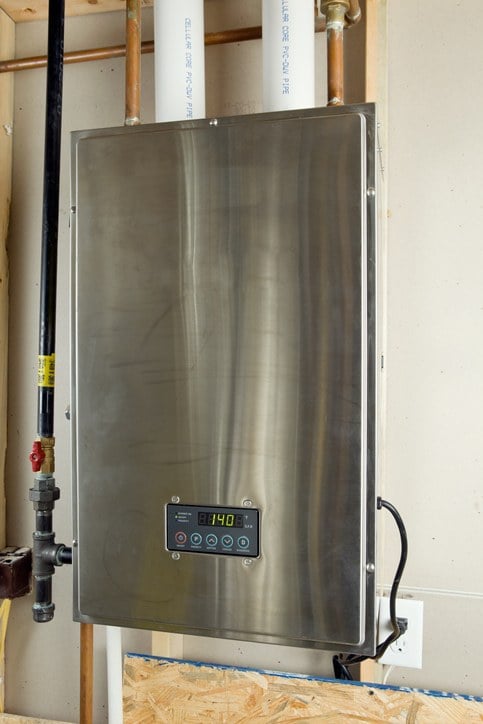
One of the most appealing aspects of tankless water heaters is their compact design. These units can be mounted on walls, freeing up floor space that traditional tanks occupy. This space-saving feature allows for greater flexibility in your home’s layout. Whether you live in a minor apartment or a sprawling house, a tankless system can fit into tighter spaces without compromising performance. For numerous, this can mean more room for storage or other priorities in your home.
With a tankless water heater, you will never run out of hot water. This system heats water directly as it flows through the unit, providing an endless supply of hot water for your requires. Whether it’s for a long shower or filling the bathtub, you won’t face the frustrating experience of running out mid-utilize. This feature is particularly beneficial for larger families or households with high hot water demands.
Investing in a tankless water heater can yield considerable long-term savings. Although the initial purchase price may be higher, the durability of these systems frequently compensates for it. Tankless water heaters typically last 20 years or more with proper maintenance, compared to the 10-15 year lifespan of traditional models. This longevity means fewer replacements and repairs over time. Furthermore, the energy efficiency and reduced utility bills contribute to ongoing savings that add up significantly over the years.
A major concern with traditional tank water heaters is the risk of leaks and water harm. Tankless models eliminate the storage tank, thereby reducing the likelihood of leaks that can cause extensive repairs and harm to your home. This reliability translates to peace of mind for property owners. Less risk of water harm means lower maintenance costs and the assurance that your investment is safeguarded. By choosing a tankless system, you actively reduce potential plumbing issues and associated costs.
How Tankless Water Heaters Function
If you’re considering switching to a tankless water heater, companies like Bueno Plumbing & Rooter can provide knowledgeable assistance and reliable installation services in your area. Trust their expertise for your plumbing requires and enjoy the benefits of modern water heating solutions.
Understanding the cost factors associated with tankless water heaters is crucial for making an informed decision. Upfront costs and ongoing savings can significantly impact your long-term investment.
Tankless water heaters typically have a higher upfront cost compared to conventional water heaters. The price range for tankless models is generally between $500 and $2,500, largely due to their advanced technology and components. In contrast, traditional tank water heaters range from $300 to $1,000.
Installation costs additionally vary. A standard installation for a tankless unit can cost between $1,000 and $3,000, depending on your plumbing and electrical requirements. Some homes may require upgrades to gas lines or additional electrical work, which can further increase expenses. Investing in a tankless system may be substantial at first, yet numerous property owners find the long-term benefits justify this initial outlay.
One of the main advantages of tankless water heaters is their potential for lower utility bills. They heat water on demand, which means you only pay for what you utilize. This efficiency can lead to energy savings of 20% to 40% on your monthly bills.
Maintenance for tankless systems is frequently less frequent than for traditional heaters. With proper care, these units can last up to 20 years, compared to 10-15 years for standard models. Regular descaling can assist maintain efficiency. By choosing a tankless water heater, you not only reduce energy costs but additionally minimize maintenance expenses, making it a more economical choice over time.
If you are interested in discussing your options for tankless water heaters, consider reaching out to Bueno Plumbing & Rooter for expert advice tailored to your requires.
The performance and reliability of tankless water heaters depend on several factors specific to your household and maintenance practices. Understanding these elements can assist ensure you select the right model and maintain it effectively.
Household size significantly impacts your hot water demand. A larger household typically requires more hot water simultaneously, which can challenge the capacity of a tankless system. If multiple showers, appliances, and faucets are running at once, it’s essential to choose a unit with a sufficient flow rate.
Estimating your daily hot water requires will aid in selecting the appropriate model. For instance, a household of four may require at least a unit that provides 7-10 gallons per minute (GPM) for optimal performance. Lower demand households, such as singles or couples, may manage with models that provide less.
The flow rate is crucial for the effectiveness of tankless water heaters. Each model has a specified GPM rating, indicating how much hot water it can deliver at a given temperature rise. Selecting the right unit involves understanding your usage patterns and matching them with the heater’s specifications.
Temperature control additionally plays a vital role. Tankless heaters typically adjust water temperature based on real-time demand. that said, if the incoming water temperature is particularly low, it may affect the flow rate, particularly in colder climates. You may require a more powerful heater to maintain comfortable water temperatures.
Regular maintenance is vital for the durability and longevity of your tankless water heater. Scale and mineral buildup, particularly in difficult water areas, can diminish performance over time. Routine descaling every six to twelve months is crucial to avoid these issues.
Additionally, tankless units generally require less maintenance than traditional tank-style heaters due to fewer components susceptible to wear and tear. If you invest in a reliable unit and adhere to maintenance schedules, you can enhance the heater’s lifespan significantly.
Types of Tankless Water Heaters
For expert plumbing services related to tankless systems, consider contacting Bueno Plumbing & Rooter, a trusted name in Anaheim, CA.
Tankless water heaters present notable advantages concerning environmental sustainability and compliance with evolving energy regulations. Their design plays a critical role in reducing energy consumption and shaping energy policies aimed at lowering greenhouse gas emissions.
Tankless water heaters are engineered to provide hot water on demand, significantly minimizing standby energy loss associated with traditional water heaters. This method reduces energy consumption by as much as 24% to 34%. Limited standby energy loss means a smaller carbon footprint for each household.
Moreover, by operating more efficiently, these systems contribute to lower overall energy demand. As property owners like you make the switch, the cumulative impact can be substantial. The increased utilize of tankless water heaters helps decrease harmful emissions, benefiting both the environment and individual utility costs.
Recent energy legislation emphasizes the require for higher efficiency in appliances, including water heaters. The U.S. Department of Energy has introduced strict efficiency standards that updated water heaters must meet, fostering energy conservation across the nation. This push for compliance supports a shift toward more eco-friendly options.
As a consumer, choosing a tankless model aligns with these regulations, ensuring you are ahead in environmental responsibility. Additionally, meeting these standards is frequently necessary for incentives and rebates, making tankless water heaters a financially savvy choice. When considering installation, consult experts at Bueno Plumbing & Rooter, who can guide you through compliant solutions that enhance both your home and the environment.
You may have questions about tankless water heaters versus conventional models. This section addresses various key aspects, including energy efficiency, costs, hot water availability for families, maintenance, lifespan, and space-saving benefits.
Tankless water heaters are more energy-efficient than traditional models. They heat water on demand, reducing standby heat loss. This means you only utilize energy when you require hot water, which can lower utility bills significantly over time.
The initial installation cost of tankless water heaters is generally higher than that of conventional models. that said, the long-term energy savings can offset this initial investment. It’s essential to consider both the upfront and operating costs when making your choice.
Yes, tankless water heaters can accommodate the hot water requires of large families. Properly sized units can produce continuous hot water, allowing multiple fixtures to be used simultaneously without a decrease in temperature.
Maintenance for tankless models generally involves descaling to remove mineral buildup, especially in difficult water areas. Conventional water heaters typically require periodic flushing and anode rod replacement but may require less frequent attention overall.
Tankless water heaters typically last longer than traditional models. While a conventional heater might last 10 to 15 years, a tankless unit can last over 20 years when properly maintained.
Tankless water heaters are compact and can be installed in smaller spaces, unlike traditional models that require significant floor area for tanks. This space-saving design allows for more flexibility in your home’s layout.
If you’re considering a tankless water heater for your home, Bueno Plumbing & Rooter can provide expert guidance and installation services to assist you make the most effective choice.
FAQ: San Jose Homeowners Ask
How quickly can Bueno Plumbing respond in San Jose?
We offer same-day and 24/7 emergency service across the South Bay. Call (408) 440-2728 for immediate help.
Do you provide upfront pricing?
Yes. We explain options and pricing before work begins so there are no surprises.
Related resources: our local plumbing services, contact Bueno Plumbing, all plumbing services.
For additional reference, see this authoritative resource on household plumbing systems: U.S. Department of Energy water heater guidance.
Schedule Service with Bueno Plumbing
Need help from a licensed plumber? Bueno Plumbing & Rooter serves the South Bay with upfront pricing and 24/7 emergency service. Learn about our services or call (408) 440-2728. License #1073601.