

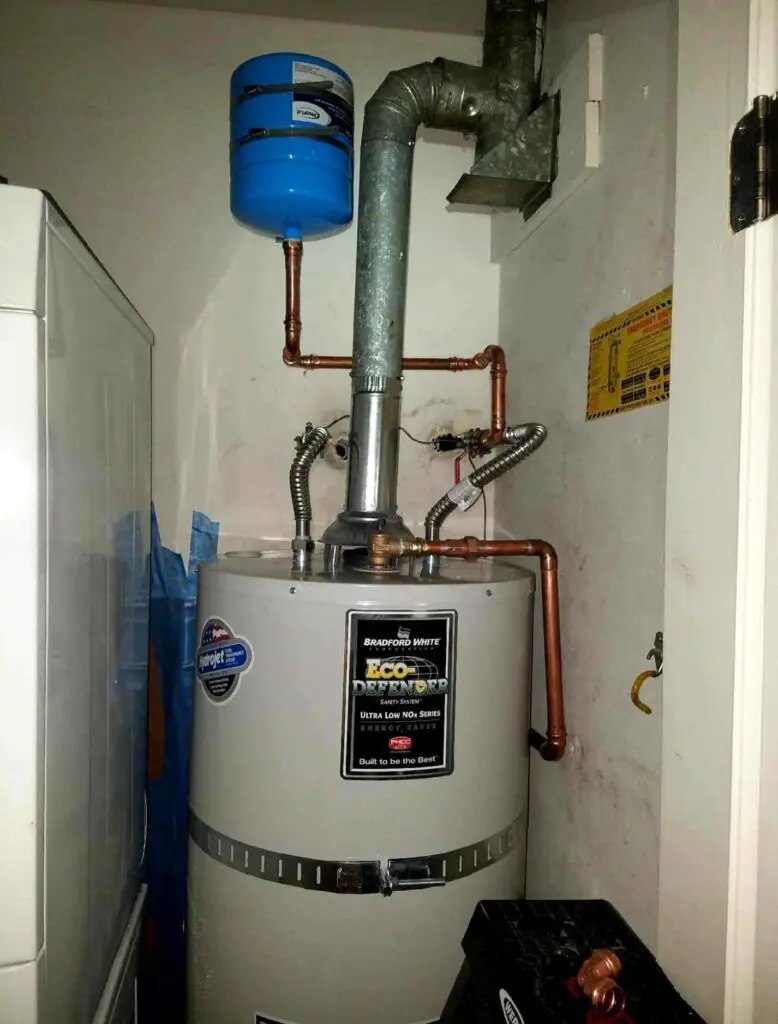

Several variables can contribute to water heater leaks. Occasionally, problems are mild enough for homeowners to be able to resolve them on their own. Other issues, however, are significant enough to necessitate the replacement of the water heater. In general, it is advisable to hire a plumber for assistance in diagnosing problems so that the proper course of action can be taken.
Here are the most prevalent causes of water heater leaks:
Old Tank
Tank-style water heaters older than 15 years are more likely to leak than modern models. As the unit ages, its components deteriorate, the water loses its warmth, and leaks occur more frequently. The rust sometimes causes age-related water heater leaks in the tank. This results in rusting, allowing moisture to escape through fractures. When the water heater reaches the end of its useful life, it must be replaced.
Drain Valve
Plumbers and homeowners utilize the drain valve to empty the tank during maintenance visits and fixture replacements. This valve becomes slack over time, allowing water to escape. However, leaks from the valve’s base indicate the component is not waterproof. In this situation, a new drain valve is required. Fortunately, homeowners can complete this replacement, but it’s advisable to consult a plumber before taking action.
Sediment Collection
Water heaters collect silt at the bottom of the tank as they age. Those who routinely empty their tank’s water rarely encounter this problem. However, if the tank is not drained and cleaned, sediment will accumulate until cracks emerge. These fissures permit water to seep through. Leaks in the tank necessitate an expensive replacement water heater, so clean the tank semi-regularly.
Too Much Strain
Water heaters are subject to natural water pressure, as with other plumbing equipment. Hot water creates steam and fills the space in water heaters, resulting in stress. When there is no outlet for this steam, the pressure becomes excessive. As a means of relieving stress, water escapes through cracks in the heater. The heater pressure rises when the water temperature is too high or when water enters the system at high pressure.
Cracked Storage Tank
Some water heaters have an additional storage tank to boost their capacity. Occasionally, these tanks are walled with glass. Over time, minerals collect and calcify on the glass. It can cause the glass to shatter and leak water. Moreover, as the water heats up, it expands, placing stress on the glass and generating small cracks. Replacements are necessary in both cases.
Internal Tank
Tank water heaters require two shells to perform their functions. The exterior shell insulates the interior surface, which contains water. The last layer of metal is applied to both surfaces. Leaks in the internal body of a water heater are challenging to detect but typically result from age and corrosion. This type of leak is not visible from the exterior of the tank.
Conclusion
If you notice water under or near your leaky water heater, it’s crucial to identify the leak’s location so that further damage can be prevented. Bueno Plumbing provides homeowners with guidance on determining the source of a water heater leak. We also offer various services to repair the leak and restore your water heater.